

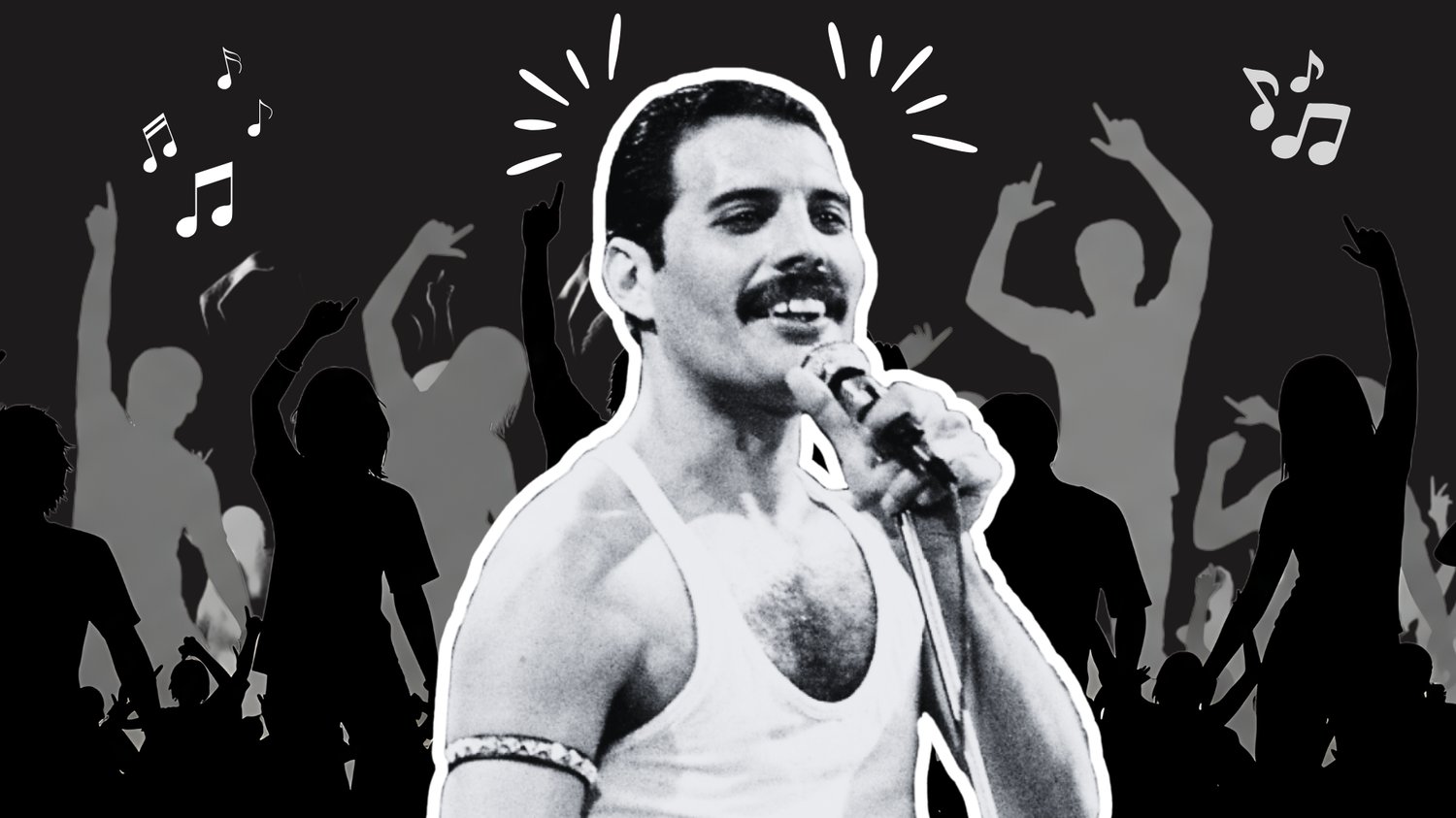
“We Are the Champions” – Queen
Escuchar canciones es una excelente manera de mejorar tu inglés y al mismo tiempo disfrutar de buena música — o como decimos en inglés, killing two birds with one stone!
En inglés, idioms (expresiones idiomáticas) y phrasal verbs (verbos compuestos) son formas muy comunes de expresarse en el día a día.
Aparecen en canciones, series, y conversaciones cotidianas, y muchas veces no se pueden traducir palabra por palabra.
Por eso, aprenderlos en contexto (¡como en tus canciones favoritas!) es una forma divertida y natural de incorporarlos.
Idiom of the Day
La expresión “matar dos pájaros de un tiro” en inglés se dice:
“to kill two birds with one stone.”
Significado: hacer dos cosas al mismo tiempo o resolver dos problemas con una sola acción.
Ejemplo:
- Listening to songs helps you improve your English and have fun — you’re killing two birds with one stone!
The song 🎶
I've paid my dues
Time after time
I've done my sentence
But committed no crime
And bad mistakes
I've made a few
I've had my share of sand
Kicked in my face
But I've come through
And we mean to go on and on and on and on
We are the champions, my friends
And we'll keep on fighting till the end
We are the champions
We are the champions
No time for losers
'Cause we are the champions of the World
I've taken my bows
And my curtain calls
You brought me fame and fortune
And everything that goes with it
I thank you all
But it's been no bed of roses
No pleasure cruise
I consider it a challenge before
The human race
And I ain't gonna lose
And we mean to go on and on and on and on
We are the champions, my friends
And we'll keep on fighting till the end
We are the champions
We are the champions
No time for losers
'Cause we are the champions of the World
We are the champions, my friends
And we'll keep on fighting till the end
We are the champions
We are the champions
No time for losers
'Cause we are the champions of the World
Let’s explore the lyrics!
Veamos algunas expresiones interesantes:
- “I've paid my dues” → literalmente “He pagado mis cuotas”, pero significa “He cumplido con mi parte / He hecho lo que debía hacer”. Es una forma idiomática de decir que uno ha pasado por dificultades o ha hecho el esfuerzo necesario para merecer algo.
- “Keep on fighting” → aquí aparece el phrasal verb “keep on”, que significa continuar haciendo algo. We’ll keep on fighting till the end = Seguiremos luchando hasta el final.
- “No bed of roses” → significa que no ha sido fácil, literalmente “no ha sido una cama de rosas”. It’s been no bed of roses = No ha sido un camino fácil.
- “Go on and on” → otro phrasal verb, que significa seguir y seguir sin parar. We mean to go on and on and on = Tenemos la intención de seguir adelante sin rendirnos.
- “I’ve taken my bows” → expresión del mundo del teatro que significa recibir reconocimiento o aplausos después de una actuación. I’ve taken my bows = He recibido aplausos y reconocimiento por mis logros.
- “My curtain calls” → hace referencia al momento en que los artistas vuelven al escenario después de que cae el telón, para saludar al público y recibir más aplausos. En sentido figurado, significa haber sido celebrado o llamado nuevamente al centro de atención. I’ve taken my curtain calls = He tenido mis momentos de fama y reconocimiento.
What can we learn from this song?
- Que el inglés está lleno de idioms y phrasal verbs que dan color y emoción al idioma.
- Que las canciones son una gran herramienta para escuchar el inglés real, recordar estructuras y mejorar tu pronunciación y comprensión auditiva.
- Y, sobre todo, que el aprendizaje puede ser divertido y motivador.
About Freddie Mercury
Freddie Mercury, born Farrokh Bulsara on September 5, 1946, in Stone Town, Sultanate of Zanzibar (now Tanzania), was a British singer-songwriter, record producer, and lead vocalist of the rock band Queen. Renowned for his flamboyant stage persona and powerful vocals over a four-octave range, Mercury is considered one of the greatest rock singers of all time.
Mercury spent most of his childhood in India, where he attended St. Peter's School. He began taking piano lessons at the age of seven. In 1964, amid the Zanzibar Revolution, his family moved to Middlesex, England. After studying art and graphic design at Ealing Art College, he started his music career. In 1970, he joined guitarist Brian May and drummer Roger Taylor of the band Smile to form Queen.
Freddie Mercury's dynamic stage performances and presence became a hallmark of Queen's live shows. He composed numerous hits for Queen, including "Bohemian Rhapsody," "Somebody to Love," "We Are the Champions," and "Crazy Little Thing Called Love." His collaborations with other artists, his solo career, and his work with Queen earned him a vast following.
Mercury, who was known for his privacy, kept his off-stage life guarded. It was not until after his death that his true sexual orientation became public. On November 24, 1991, Mercury died of bronchopneumonia, a complication of AIDS, at his home in Kensington. His death led to The Freddie Mercury Tribute Concert and increased awareness of the AIDS pandemic. His legacy continues to influence and inspire artists and musicians around the world.
Challenge
- Escuchá la canción y tratá de identificar los idioms y phrasal verbs mencionados.
- Después, elegí otra canción que te guste, buscá la letra y fijate si aparecen frases que no tienen sentido literal, pero que suenan muy naturales en inglés.
- Esas son las expresiones que más usan los hablantes nativos en su día a día.
Podés buscar el significado y los usos de esas frases en:
▶ Descarga el resumen de esta clase en PDF ¡GRATIS!
▶ Registrate Para Ver tus Clases en Orden
Happy learning.
Nos vemos la próxima.
🚀 Sumate a la comunidad
¿Querés mejorar tu inglés de forma constante y con acompañamiento?
Unite a nuestra comunidad, seguí las publicaciones semanales y no te pierdas ningún challenge, curso o recurso nuevo.

Comentarios ()